Health Equity
Breaking Down Barriers, Increasing Access
Colorectal cancer has a greater than 90% survival rate with early detection and treatment, but disparities limit access to equitable screening and treatment for many, particularly Black Americans, American Indians/Alaska Natives (AI/AN), and underserved Americans, who are disproportionately affected by the disease.
Data shows us the impact of disparities:
- Black Americans are 15% more likely to get colorectal cancer and 35% more likely to die from it
- Hispanic Americans are screened at lower rates, with only slightly more than 50% of those eligible checked for colorectal cancer
- The racial disparity in incidence for both sexes combined widened for AI/AN individuals from 21% to 41%
- Pervasive stigma, discomfort with screening methods, lack of institutional trustworthiness, and bias/racism in the healthcare system
- Patients with a lower economic status of any race are at substantially higher risk for undertreatment and treatment delay
The Colorectal Cancer Alliance is committed to breaking down barriers to prevention, diagnosis, and treatment for all at-risk individuals. Health equity is achieved when disparities cease to exist. By working with allies at every level of the healthcare system, incorporating feedback from stakeholders, and conducting evidence-based interventions at the national level and in the community, we hope to positively impact achieving health equity for all.

Breaking Barriers
Join the Alliance and special guests for a four-part webinar series, "Breaking Barriers," dedicated to health equity in colorectal cancer prevention and treatment.

Our Programs & Initiatives
Colorectal Cancer Disparities | Alliance Programs to Address Health Equity |
| Lack of wealth, uninsured, underinsured affect timely diagnosis and treatment |
|
| Barriers to screening include lack of awareness, mistrust, missed wages, transportation, and limited access to screening services |
|
| Lack of insurance coverage, access to specialized cancer centers, and cultural competence in healthcare settings |
|
| Lack of public awareness and education about colorectal cancer contribute to delayed diagnosis and treatment |
|
| Lack of research funding to study critical areas of disparity in colorectal cancer |
|
Impact Towards Equity
Stats from 2022
people screened through Alliance initiatives
test kits distributed
helpine calls handled
colonoscopies sponsored
financial stipends provided


Health Equity Advisory Committee
In 2023, the Alliance announced the formation of its Health Equity Advisory Committee, bringing together a diverse, integrative and multidisciplinary group of esteemed experts, thought-leaders and community change-agents to help drive meaningful discussion and real solutions to barriers preventing equity in cancer care. The Committee meets quarterly and is currently tasked with helping the Alliance establish a comprehensive three to five year strategic plan for its health equity programs and initiatives.

Support Our Mission
Even with new screening guidelines lowering the minimum screening age to 45 from 50, many will not get screened due to the stigma around colorectal cancer. And colorectal cancer rates in adults under 50 continue to climb at an alarming rate. We have a lot of work to do and you can help make an immediate impact by donating to our Health Equity Fund, which supports our Health Equity programs and services. (Designate your gift to the "Health Equity Fund" on the donation form.)
The Health Equity Fund will create immediate impact by:
- Offering free or low-cost screening options
- Providing financial assistance for patients during treatment/alleviate cost burdens for treatment (e.g. transportation, bills, childcare)
- Promoting community-based awareness campaigns with culturally relevant messaging
- Enabling innovative research to identify reasons for and solutions to disparities
- Connecting those most in need with high quality and potentially lifesaving screening, treatment, and clinical trial options
Top resources
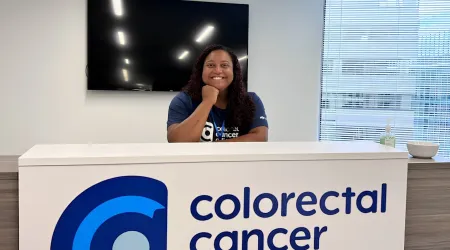
Why I answer the phone: A cancer care navigator's view
Meet Paige Edmonds, a social worker behind the Alliance's helpline — and the personal loss that led her there.
Alliance Breaks Down New ACS Screening Guidelines
The Colorectal Cancer Alliance is urging Americans to prioritize colorectal cancer screening, as the American Cancer Society (ACS) released updated guidelines today.
Does it matter where your colon cancer is located?
Understanding colon cancer sidedness is one more tool to help patients ask the right questions and advocate for the most effective treatment plan.