Give to save lives
Your donation helps patients and families today while accelerating research to save more lives tomorrow.
Why your donation matters now
Colorectal cancer has become the deadliest cancer in people under 50 and the second deadliest overall.
Too many patients with advanced diagnoses are left desperate for treatment options, hoping research can save them.
The Alliance is done waiting. With you, we can take action and build a future free of this disease. Your gift today will immediately:
- Accelerate research, including the launch of new clinical trials designed to deliver better treatments to patients faster
- Help patients and families with expert guidance, vetted resources, and a community of peers
- Strengthen advocacy to prevent this disease before it starts
We’ve had enough. Let’s end this.
Where your gift goes
Your gift supports the science, care, awareness, and community that make cures possible.
Support
We help patients and families navigate colorectal cancer with trusted information, expert guidance, and personalized support.
Innovation
We lead the research, clinical trials, and data infrastructure that will produce better treatments and cures.
Awareness & Advocacy
We work to prevent colorectal cancer and promote early detection, and we push for federal support.
Community
We give people touched by this disease a place to belong, where their experience can change someone else's.
A colorectal cancer nonprofit you can trust
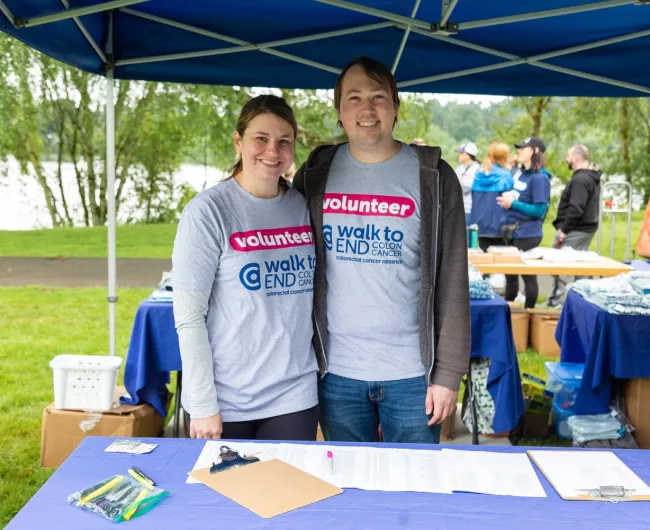
Founded in 1999 by volunteer advocates, the Colorectal Cancer Alliance is the largest nonprofit dedicated exclusively to colorectal cancer, headquartered in Washington, D.C.
In 2025, 80% of Alliance expenses supported programs including research, cancer care, screening and awareness, community engagement, and advocacy.
Join a trusted community committed to helping people facing colorectal cancer and building a future free of this disease.
Your impact
Your gift helps people facing colorectal cancer today, while advancing a future where fewer people are diagnosed and more lives are saved.
Nearly $13 million invested across 33 research projects.
1,800 high-risk individuals navigated to complete a screening test or colonoscopy.
10,000 patients guided through diagnosis and treatment.
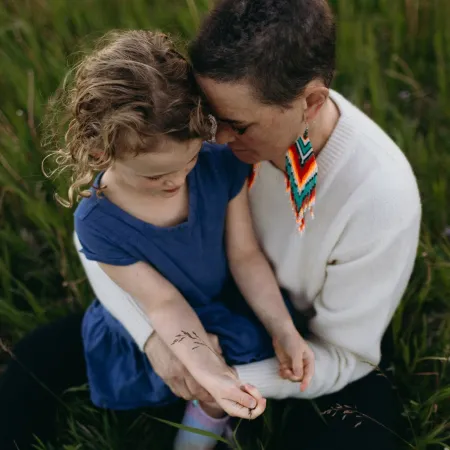
This organization helped me find answers when no one else would, and they're committed to advancing science that saves lives like mine.
Frequently asked questions about donating

Enough. Let's end this.
You can turn hope into action. Give today to accelerate lifesaving research and help people facing colorectal cancer.