
Research funded by Project Cure CRC
Innovation is in progress.
Funding urgent science for today’s patients
The Alliance’s Project Cure CRC continues to make global investments based on expert recommendations and areas of urgent necessity, outlined in this request for proposals. Awardees are listed below.

Funded research
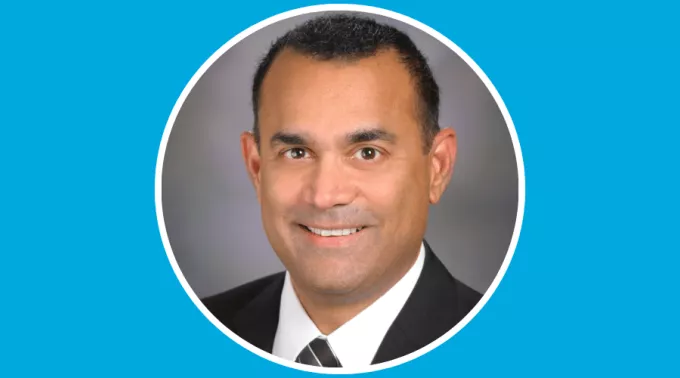
Raghu Kalluri, MD, PhD
Dr. Kalluri of MD Anderson Cancer Center aims to develop urgently needed therapeutic options for the 96% of colorectal cancer patients with microsatellite stable (MSS) disease.
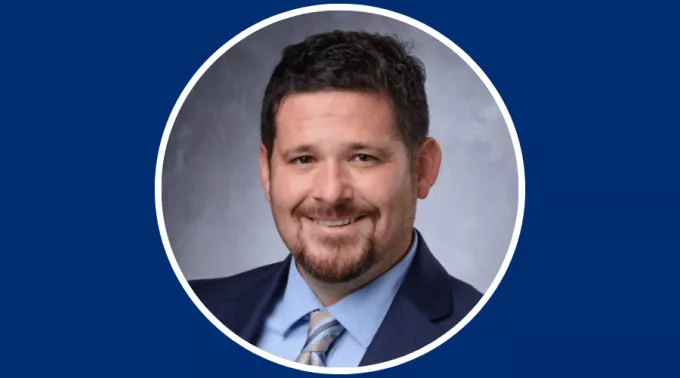
H. Charles Manning, PhD
H. Charles Manning, PhD, a professor at MD Anderson Cancer Center, will lead a collaborative effort to discover the first theranostic pair for imaging and therapy for patients with CRC.
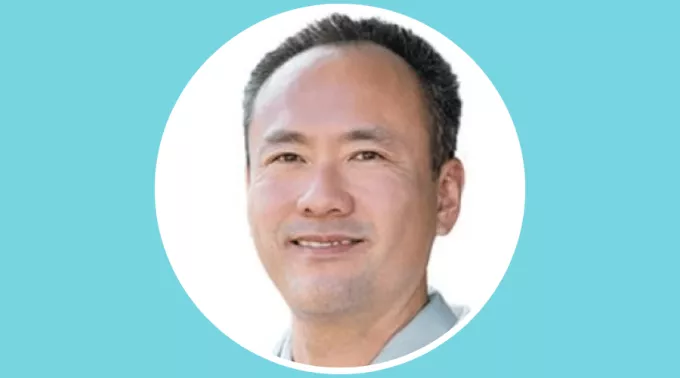
Peter Lee, MD
Dr. Peter Lee of City of Hope will pursue a novel combination immunotherapy to treat metastatic MSS colorectal cancer, which does not respond well to current treatments.
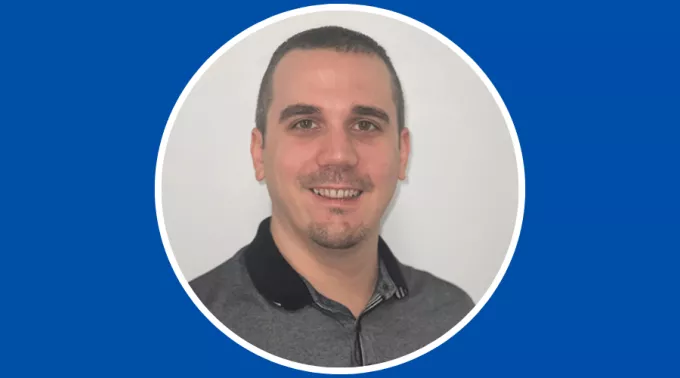
Kevin Van der Jeught, PhD
Kevin Van Der Jeught, PhD, of the University of Miami, seeks to improve intratumoral mRNA vaccination strategies by targeting immune checkpoints to enhance anti-tumor immune responses.
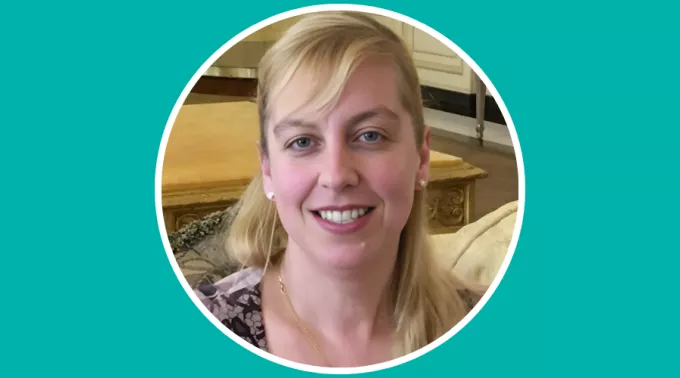
Ekaterina Dadachova, PhD
Ekaterina Dadachova, PhD, of The University of Saskatchewan will investigate combining targeted radiation with immunotherapies for a novel and synergistic approach to treat advanced colorectal cancer, improving clinical outcomes.

Yekaterina Y. Zaytseva, PhD
Yekaterina Y. Zaytseva, PhD, of the University of Kentucky, will investigate new drug combinations to kill CRC cells with a BRAF mutation. These cells currently have a low response rate to existing treatments.
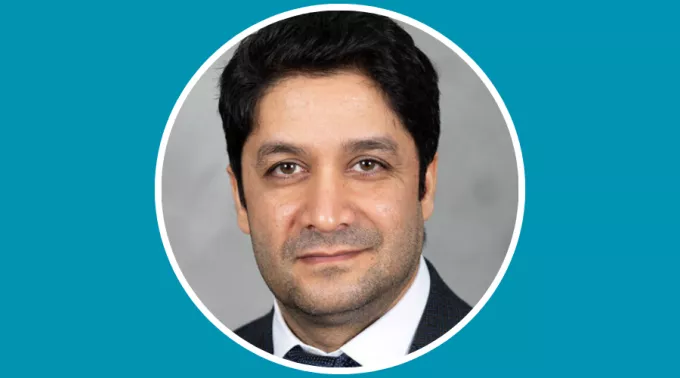
Ashiq Masood, MD
Dr. Masood of Indiana University is studying ProAgio, a new protein that targets cells aiding cancer's survival. This approach could improve therapies for tough-to-treat tumors.
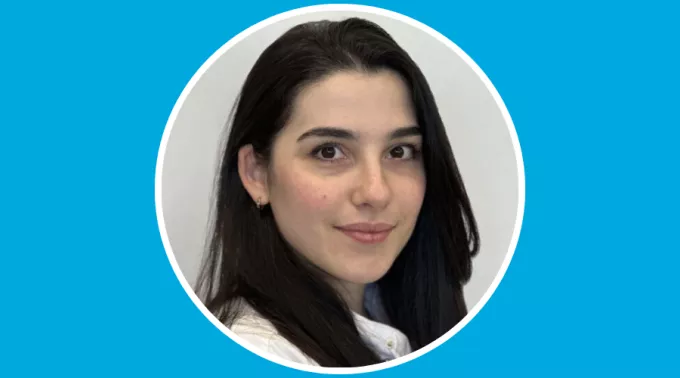
Caterina Suelzu, PhD
Dr. Suelzu of Anglia Ruskin University will investigate how fat tissue impacts the growth and spread of colorectal cancer, especially in people with obesity.
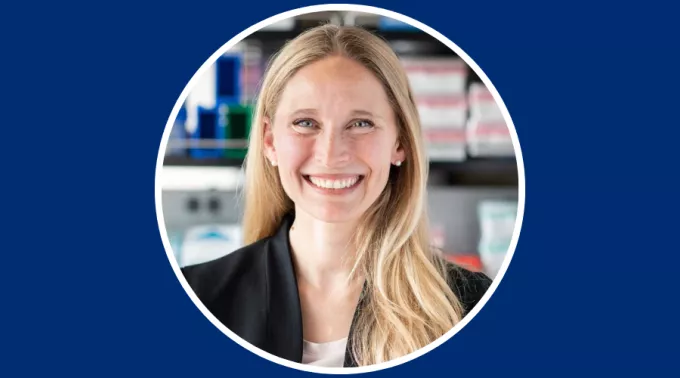
Julia Carnevale, MD
Dr. Carnevale of UCSF will use cutting-edge technology to target multiple genes at once, seeking to uncover weaknesses in cancer cells and boost the body’s immune response.

David Robbins, PhD
Dr. Robbins of Georgetown University aims to target and stop the circulating tumor cells responsible for forming metastatic tumors. Success could improve mCRC survival rates.
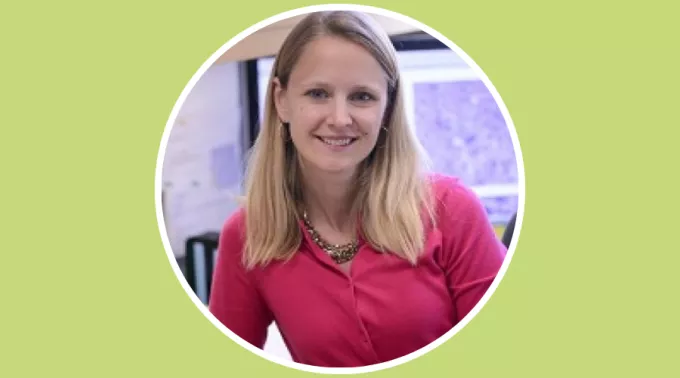
Angelique Whitehurst, PhD
Dr. Whitehurst-Angelique of UT Southwestern is identifying TSSK6 as a new precision target in colorectal cancer, aiming to develop more effective and targeted treatment strategies.
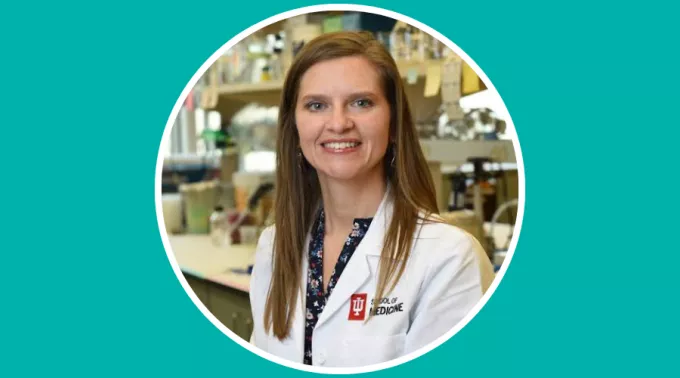
Melissa Fishel, PhD
Dr. Melissa Fishel of Indiana University is studying how blocking a protein called REF-1 may slow or stop colorectal cancer growth, with the goal of creating new and more effective treatment options.
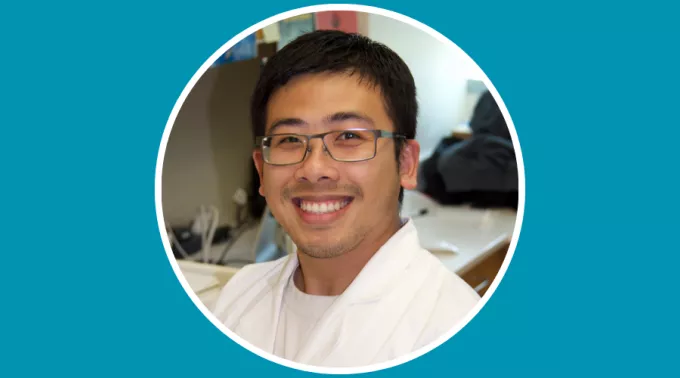
Wenhan Zhu, PhD
Dr. Wenhan Zhu of Vanderbilt University Medical Center is studying how a harmful gut bacterium can change the way colon cells function and help colorectal cancer develop, with the goal of finding ways to stop this process.
Hyunyoung Jeong, PharmD, PhD
Dr. Hyunyoung Jeong of Purdue University is studying a bacterial enzyme that may help colorectal cancer grow and resist treatment. Understanding this could lead to new ways to stop cancer from becoming harder to treat.
Boyi Gan, PhD
Dr. Boyi Gan of MD Anderson is studying a weakness in BRCA1-deficient colorectal cancer cells to find new ways to treat these difficult tumors.
Binfeng Lu, PhD
Dr. Binfeng Lu of the Hackensack Meridian Health Center for Discovery and Innovation is studying the tumor microenvironment in colorectal cancer with peritoneal metastasis to identify new immunotherapy approaches.
Nilo Azad, MD
Dr. Nilo Azad of Johns Hopkins is testing a KRAS-targeted vaccine combined with a new type of immunotherapy to help treat MSS metastatic colorectal cancer, a form of the disease that is often difficult to treat.
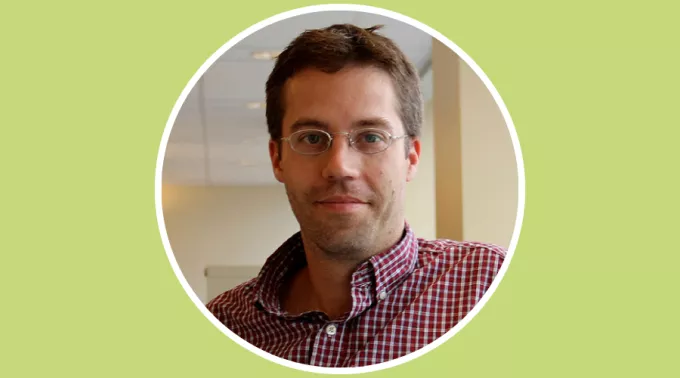
Christopher Lengner, PhD
Dr. Christopher J. Lengner of the University of Pennsylvania is targeting the tumor stroma to overcome resistance to immunotherapy, aiming to make these treatments more effective for patients with colorectal cancer.
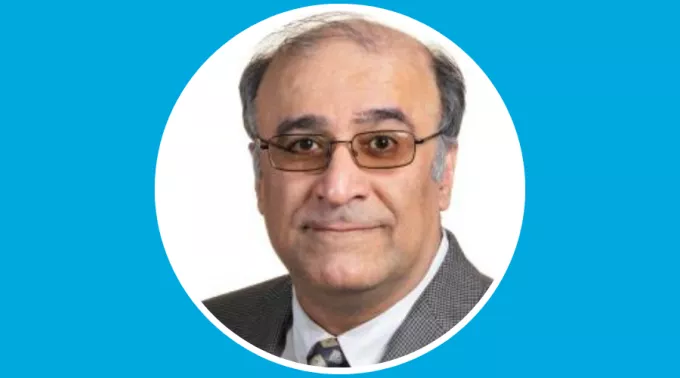
Khosrow Rezvani, PhD
Dr. Khosrow Rezvani of the University of South Dakota is using nanoparticles to block a key cancer-growth pathway, aiming to slow down how colorectal cancer cells grow and survive.

Brandon Bordeau, PhD
Dr. Brandon Bordeau of the University of Michigan is exploring a new type of targeted therapy for colorectal cancer to develop more precise and effective treatment options.
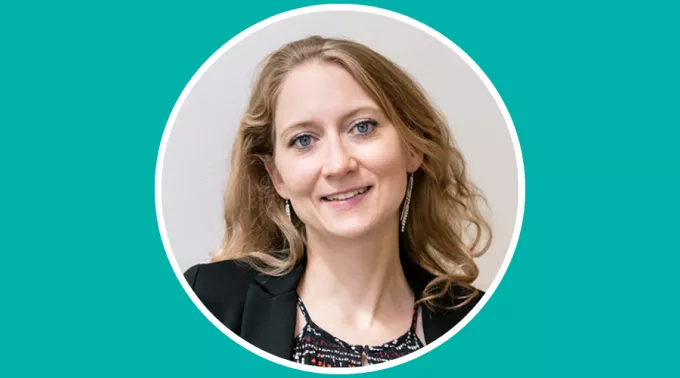
Karin Pelka, PhD
Dr. Karin Pelka of the Gladstone Institutes is studying a new way to improve immunotherapy for colorectal cancer by removing specific immune cells inside the tumor that block the body’s natural defenses.
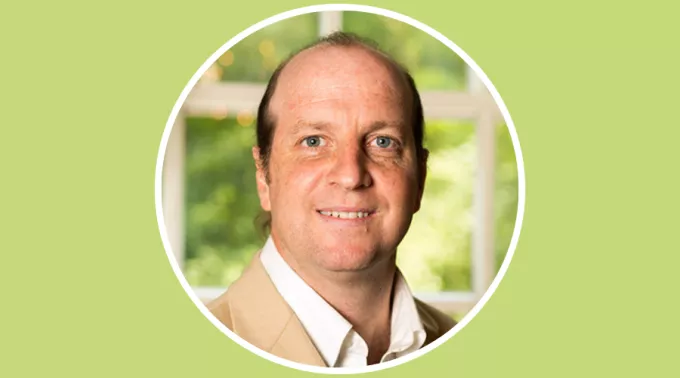
Raul Mostoslavsky, MD, PhD
Dr. Raul Mostoslavsky of Massachusetts General Hospital is identifying and targeting new factors that drive colorectal cancer to spread, aiming to develop better treatments for metastatic disease.
Lisa Mielke, PhD
Dr. Lisa Mielke of La Trobe University is studying gamma delta T cells to identify new immunotherapy targets for colorectal cancer. Her work focuses on key genes that may help guide more precise and effective treatments in the future.
Eric Christenson, MD
Dr. Eric Christenson of Johns Hopkins is studying how circulating tumor DNA and peritoneal fluid tumor DNA can improve the management of patients with early-stage colorectal cancer.
Heather O'Hagan, PhD
Dr. O’Hagan of Indiana School of Medicine is studying BRAF V600E–mutant colorectal cancer and how stromal cells fuel treatment resistance. Her team’s work aims to uncover new approaches that could improve therapies for this aggressive disease.
Aleksander Popel, PhD
Dr. Aleksander Popel of Johns Hopkins University is refining a novel oncolytic peptide and its delivery to better target colorectal and rectal tumors, aiming to improve effectiveness while reducing toxicity.
Bert Vogelstein, MD
Dr. Bert Vogelstein of Johns Hopkins is leading the Co-STAR Project, developing engineered immune cell therapies that target key genetic mutations in colorectal cancer to create more precise and effective treatments.
Dae Yong Lee, PhD
Dr. Dae Yong Lee of Virginia Tech is developing new immune-based treatments that help the body better recognize and attack colorectal cancer.

Kelvin Pond, PhD
Dr. Kelvin Pond of the University of Arizona is using patient-derived mini-tumors to find moments when colorectal cancer cells are more vulnerable, aiming to make current treatments more effective.
By the numbers: Project Cure CRC
million in funding allocated
projects supported
million funding goal
Join us
Project Cure CRC seeks research proposals from early-career investigators, senior investigators, teams, startup companies, and others. We prioritize collaboration toward curative science.
Up Next
More about the research fundTop resources
FDA Clears Way for Colorectal Cancer Clinical Trial Led by Dr. Christopher Lieu
The U.S. Food and Drug Administration has given researchers at the University of Colorado Anschutz Medical Campus permission to begin a clinical trial of CAR T-cell therapy for people with advanced colorectal cancer who have already tried the standard treatments without lasting success.
Alliance and GCAR Announce Collaboration to Advance a Groundbreaking Adaptive Clinical Trial Platform for CRC: KLEOS
A first-of-its-kind trial platform in the colorectal cancer space, Project Cure CRC’s KLEOS is being driven by the Colorectal Cancer Alliance, the leading nonprofit dedicated to ending the disease, in collaboration with GCAR, a pioneer in the design and implementation of innovative clinical trials.
Alliance Presents Poster Sessions & Speaks at Symposium During AACR Annual Meeting
The Colorectal Cancer Alliance will present three poster sessions and deliver an oral presentation at the American Association for Cancer Research Annual Meeting 2026.