Alliance details results of Clinical Trial Think Tank Summit
On November 10, 2022, multidisciplinary advocates and leaders gathered at the Colorectal Cancer Alliance’s Clinical Trial Think Tank Summit to propose effective solutions for increasing overall involvement in clinical trials. Driven by a commitment to save lives through best practices and innovation in research participation, the group offered collaborative solutions to improve trial design, messaging, access, and navigation, and ultimately, increase participation.
We know that only 5% of adult cancer patients enroll in cancer clinical trials; however, approximately 70% are willing to participate1. Furthermore, evidence shows that these gaps between patient willingness and trial participation rates are numerous. Keynote speaker Dr. Danielle Carnival – White House Cancer Moonshot Coordinator – reiterated the urgency in improving experiences of people living with and surviving cancer by:
- Investing in innovation and research; and,
- Ensuring more Americans have access to existing tools
The summit was organized around three primary domains of best practice in increasing the success of colorectal cancer clinical trials:
- Messaging and marketing
- Research readiness in the community setting, and
- Patient navigation to trials
Messaging and Marketing
One consideration to increase colorectal clinical trial engagement is the impact of our overall messaging. Key summit takeaways regarding public messaging include:
- Bringing more awareness to positive trial outcomes and clinical trials as a care option;
- Focusing on messaging to the general public before diagnosis, since many patients learn about trials too late;
- Ensuring messages are meeting people where they are and highlighting where people are already going; and,
- Improving overall cultural competency of messaging for increased receptibility
Overall, messaging on clinical trials needs to be designed to educate, empower, and engage qualifying participants. Cancer patients, as well as the general public, need to be aware of the importance of clinical trials in order to dispel myths and overcome barriers to treatment options.
Community-based Research Readiness
Next, the Colorectal Cancer Alliance and its partnerships have initiated a commitment to fostering readiness for community-based cancer research. Summit participants identified significant gaps within the current state of community-based cancer research including:
- 80% of trials taking place in 20% of sites while 80% of care being at community centers
- Community oncology programs lacking tools, resources, and applicable best practices
“Community oncology belongs in cancer research and cancer research belongs in community oncology,” stated summit speaker, Dr. Leigh Boehmer, of the Association for Community Cancer Centers. The following strategies were discussed as options to overcome these barriers and achieve research readiness in the community setting:
- Opening of rural sites with telemedicine options
- Financial support for travel & lodging plans, such as patient stipends
- Equipping local labs with necessary materials and infrastructure
- Centralized regulatory teams with PI oversight
- Enhanced use of clinical trial navigators and research-dedicated nurse practitioners
- Education surrounding patient-centered hospitality amongst professionals
- Minimum standards for staff education
- EHR interoperability and data management systems
- Collaboration with industry sponsors
Patient Navigation to Trials
Lastly, interdisciplinary professionals attending the summit observed the necessity to improve clinical trial patient navigation. We know that the following barriers currently exist:
- There are not enough navigators, yet it is widely understood that navigators are crucial for trial accrual
- Myriad barriers exist for patient transportation and reimbursement
- Trial teams lack of validated tools for screening
In order to overcome these barriers, it is necessary to launch centralized clinical trial navigator pilot programs for timely, local information about trials. This ensures that centralized navigators are knowledgeable about clinical trials in their local and national spheres. Additionally, there is a need for co-sponsored training programs for clinical trial navigators. This solution can achieve the following outcomes:
- Increasing the experience and competency of navigators with geographic and community diversity
- Creating a system of continuing education
- Accomplishing training through a lens of equity and access
- Patient and caregiver satisfaction with the trial experience
The Future of CRC Clinical Trials
Clinical trials are essential to advancing new treatments from the research setting to the community cancer care clinic. Ultimately, we must create industry-wide quality standards that dispel myths about clinical trials and bring awareness to positive trial outcomes. By improving our overall messaging, collaboration, education, and access to resources, we can illuminate how CRC clinical trials will help patients to overcome barriers and experience improved medical outcomes in their lives.
1. https://pubmed.ncbi.nlm.nih.gov/15187053/
Top resources
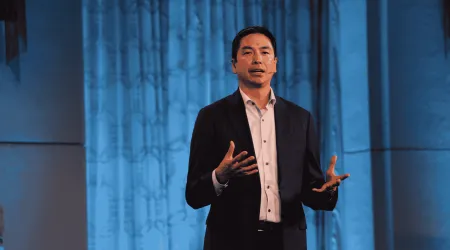
FDA Clears Way for Colorectal Cancer Clinical Trial Led by Dr. Christopher Lieu
The U.S. Food and Drug Administration has given researchers at the University of Colorado Anschutz Medical Campus permission to begin a clinical trial of CAR T-cell therapy for people with advanced colorectal cancer who have already tried the standard treatments without lasting success.
Alliance and GCAR Announce Collaboration to Advance a Groundbreaking Adaptive Clinical Trial Platform for CRC: KLEOS
A first-of-its-kind trial platform in the colorectal cancer space, Project Cure CRC’s KLEOS is being driven by the Colorectal Cancer Alliance, the leading nonprofit dedicated to ending the disease, in collaboration with GCAR, a pioneer in the design and implementation of innovative clinical trials.
Alliance Presents Poster Sessions & Speaks at Symposium During AACR Annual Meeting
The Colorectal Cancer Alliance will present three poster sessions and deliver an oral presentation at the American Association for Cancer Research Annual Meeting 2026.