FDA Clears Way for Colorectal Cancer Clinical Trial Led by Dr. Christopher Lieu
The U.S. Food and Drug Administration has given researchers at the University of Colorado Anschutz Medical Campus permission to begin a clinical trial of CAR T-cell therapy for people with advanced colorectal cancer who have already tried the standard treatments without lasting success. The therapy reprograms a patient's own immune cells to find and attack cancer.
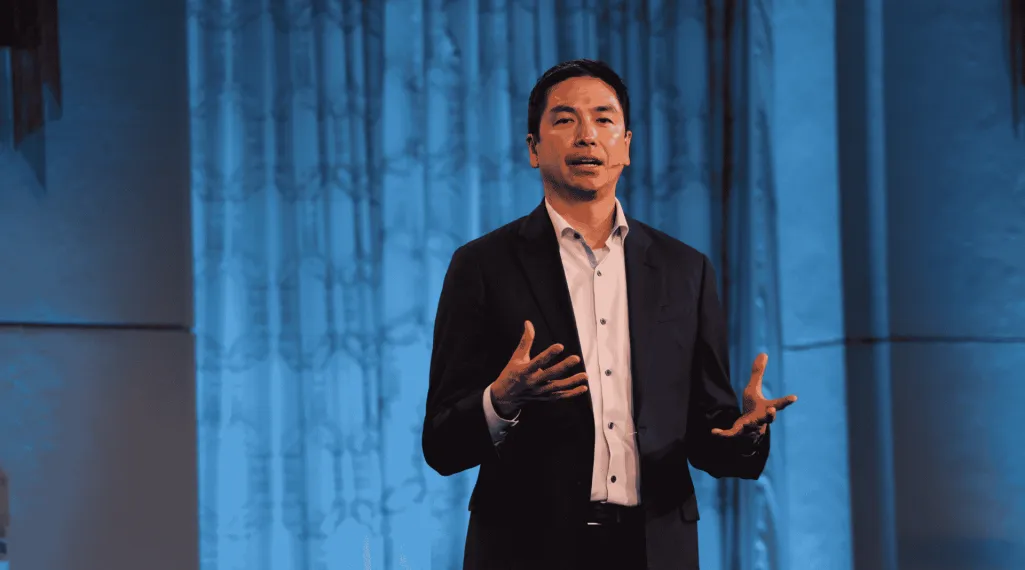
The trial is led by Christopher Lieu, MD, a medical oncologist at the CU Anschutz Cancer Center. Dr. Lieu is also a key opinion leader for KLEOS, the clinical trial platform at the center of the Alliance's Project Cure CRC.
The trial is expected to open in January or February of 2027.
What is CAR T-cell therapy?
Your immune system includes T cells, which hunt down and destroy threats in your body. Cancer often finds ways to hide from them. CAR T-cell therapy is a way to fix that. Doctors collect a patient's own T cells, change them in a lab so they can recognize cancer, grow millions of copies, and put them back into the patient.
This has worked remarkably well for blood cancers such as leukemia and lymphoma. It has been much harder for solid tumors, the kind that form a lump, like colorectal cancer. Part of the problem is finding something on the cancer cell for the new T cells to grab onto that healthy cells don't also have.
The Colorado team picked two things instead of one. The first, called B7-H3, is a protein found on most colorectal tumors. The second, called IL-8, helps tumors grow and spread. The hope is that aiming at both gives the engineered cells a better shot.
"Immunotherapy gives us the opportunity to direct the immune system toward the cancer and potentially produce a much more durable response," Dr. Lieu said in the University of Colorado’s press release. In other words, the goal is a lasting result.
The clinical trial will help evaluate whether this method works.
Why it matters
More young adults are being diagnosed with colorectal cancer, and options can run out fast when standard treatments stop working.
Right now, only a small number of people with colorectal cancer can get immunotherapy, which is treatment that uses one’s own immune system against cancer. That's because those treatments only work on tumors with certain markers, and most colorectal tumors don't have them. B7-H3 is far more common. If this approach works, it could help many more people.
What made it possible
Good science doesn't reach patients on its own. Michael Verneris, MD, the pediatric oncologist who helped develop the therapy, is direct about what moved it from the lab to a trial.
"These trials cost a lot of money," Dr. Verneris said in the press release. "Private philanthropy is what makes it possible to take an idea like this and move it into patients."
That's true of research at the Alliance, too. Support is why research like this gets funded, why more people get screened before it's too late, and why a patient in crisis can reach a real person at the Alliance.
Top resources
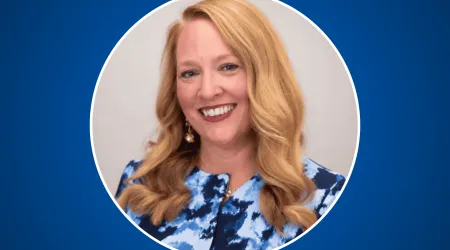
Alliance Names Kate Watt Chief Development Officer
Watt’s extensive experience in building fundraising strategies and teams will help advance the Alliance's mission to end the disease.
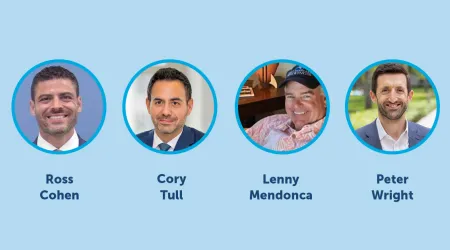
Alliance Appoints New Members to Board of Directors
Each of the four appointees to the Alliance's Board brings unique professional expertise and a personal commitment to the organization's mission to end colorectal cancer in our lifetime.

Bottoms Up® Invitational Raises $5.7 Million in Five Years To Foster a Future Free From CRC
The fifth annual Bottoms Up® Invitational, organized by Today Show anchor Craig Melvin and CBS Sports HQ host Lindsay Czarniak, gathered a passionate crowd of celebrities, musicians, athletes and supporters to raise awareness and funds in the battle against colorectal cancer.