
Things to consider when you're first diagnosed
When you are first diagnosed with cancer, you may feel overwhelmed with information. Knowing what to focus on will help your thoughts feel more organized.
What you need to know
Whether you are a patient or a caregiver, these ten tips will be helpful when you are first facing a colorectal cancer diagnosis.
Learn as much as you can about your diagnosis
Ask questions about your diagnosis. Bring someone to take notes during office visits, or record them to listen later. Expect the unexpected: it’s normal to face changes and challenges during treatment.
Put together the right medical team
Your treatment may need specialized experts. A surgeon, oncologist, social worker, fertility expert, and others may work together on your care team. Your doctor can help you build the right one.
Improve your treatment options with testing
Ask your doctor about: Biomarker testing Genetic testing for inherited conditions Clinical trials
Always seek a second opinion
Seek opinions from experts who take a multidisciplinary approach to treatment. Find these experts at teaching hospitals or the National Cancer Institute.
Get support as a caregiver (or for your caregiver)
Caregivers receive a lot of information, and it can be overwhelming. Allow yourself guilt-free time and find ways to reduce stress when you can.
Ask for help.
Coping with life while you are going through colorectal cancer treatment can be hard. Accept help when you can, and don’t be afraid to ask for the specific help you want and need.
Reach out for support
Support resources that can guide you include: Patient and family navigators Our peer-based Buddy Program Cancer Support Community’s Helpline
Find your community
A new cancer diagnosis can feel isolating. Our Alliance Online Community offers a national network of survivors and advocates stand ready to be your ally.
Manage stress and lifestyle
Manage stress, maintain a balanced diet, and get regular exercise to gain control, an emotional uplift, boost your energy, and reduce stress. Don't let the cancer-related thoughts consume you. Allow yourself to take time away from the disease.
Insurance, employment & financial resources
Learn about: Your insurance plan and its benefits. Find out how your employer will handle your time away from work. Ways to manage the costs of cancer care.
Top resources

FDA approves Tecentriq for some people with stage III colon cancer
The FDA has approved Tecentriq (atezolizumab), given with chemotherapy after surgery, for people with stage III colon cancer whose tumors are mismatch repair deficient (dMMR). It’s the first immunotherapy approved for this use.
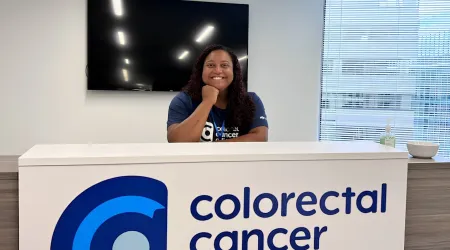
Why I answer the phone: A cancer care navigator's view
Meet Paige Edmonds, a social worker behind the Alliance's helpline — and the personal loss that led her there.
Alliance Breaks Down New ACS Screening Guidelines
The Colorectal Cancer Alliance is urging Americans to prioritize colorectal cancer screening, as the American Cancer Society (ACS) released updated guidelines today.