Project Cure CRC researcher seeks next big breakthrough
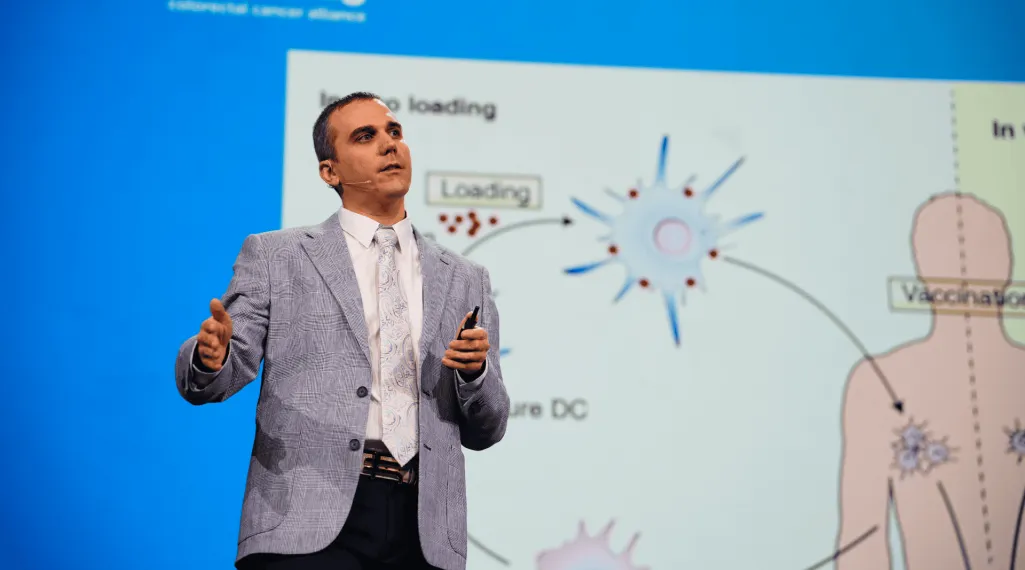
For many, the motivation to find a cure for colorectal cancer is personal — family, friends, or even our own health have been impacted by the disease. For Kevin Van der Jeught, PhD, Assistant Professor of Microbiology & Immunology and a member of the Tumor Biology Program at the Sylvester Comprehensive Cancer Center at the University of Miami, who is supported through the Colorectal Cancer Alliance’s Project Cure CRC initiative, that motivation has always been his mother.
Kevin’s grandmother passed away from breast cancer when his mother was only 24. The loss of his grandmother and the strength his mother showed in raising Kevin as a single parent shaped his path into cancer research.
Today, Kevin’s mother remains his most significant source of inspiration and even an ‘unofficial’ member of his lab team. She reviews grant applications, offers encouragement through setbacks, and has become a beloved “lab mascot” to Kevin’s colleagues. “She’s my secret weapon,” Kevin says. “Every success we’ve had has her fingerprints on it.”
Pursuing Innovative and Bold Science
Kevin’s research, which focuses on new approaches to immunotherapy, is the very kind of bold, high-risk, high-reward science that Project Cure CRC was created to support. His lab is testing mRNA-based treatments delivered directly into tumors, an approach that builds on the same messenger RNA technology used to develop COVID-19 vaccines. In this case, the therapy is designed to “wake up” the immune system so it can recognize and attack colorectal cancer cells, opening the door to treatments that could benefit patients who don’t currently respond to existing options.
For Kevin, the science is only part of the story. He centers his work by connecting with patients and families, listening to their stories, and keeping their struggles at the heart of his research. When asked what he would say to them, Kevin’s answer is simple but powerful: “Never give up. As long as there is life, there is hope. Even when one treatment doesn’t work, research is moving fast, and the next breakthrough could be just around the corner.”
A Critical Challenge
Colorectal cancer remains the second-deadliest cancer in the United States, and while immunotherapy has transformed treatment for some cancers, only a small percentage of colorectal cancer patients benefit. Kevin’s team is working to change that. By identifying new “immune checkpoints” — the biological brakes tumors use to survive — they hope to expand the number of patients who can respond to these cutting-edge therapies.
Why Funding Matters
Kevin's work is challenging, both scientifically and financially. Federal funding for this kind of research is limited, and the cost of running a lab, from specialized equipment to training future scientists, is significant. “Science is like a puzzle,” Kevin explains. “Each new piece brings us closer to a cure. But without resources, we can’t keep putting the pieces together.
How Project Cure CRC Works
The Alliance launched Project Cure CRC to fund innovative, high-potential research aimed at discovering breakthrough treatments and, ultimately, cures for colorectal cancer.
For Kevin’s lab, the $200,000 award made possible by Project Cure CRC is a lifeline. It’s helped his team test new therapies, mentor the next generation of cancer researchers, and build data that can attract additional funding to keep the work moving forward. Data that can cure colorectal cancer, but could also lead to a cure for other types of cancer.
Still, Kevin is clear: The need is far greater than one grant can address. “We’re at a pivotal moment,” he says, “The findings we’re making could change the game for patients — but only if we can keep going.”
Project Cure CRC is about more than science; it’s about the lives of every family touched by colorectal cancer. By supporting it, you’re helping researchers like Kevin push the boundaries of what’s possible, turning today’s discoveries into tomorrow’s cures.
Top resources
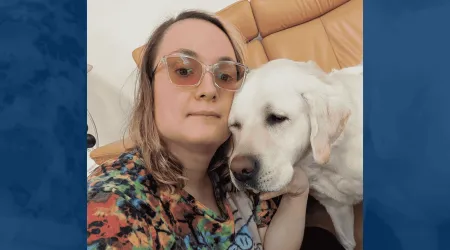
Jenny Trefzger: "My missed expiration date"
Jenny Trefzger was 23 when gender-affirming care found her colon cancer. Nine years later, she wants readers to know that you don't have to be extraordinary to beat cancer.
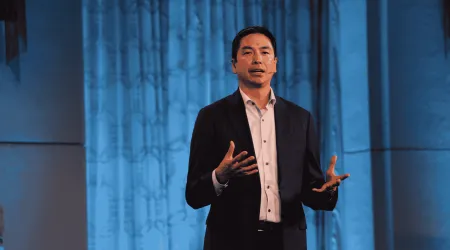
FDA Clears Way for Colorectal Cancer Clinical Trial Led by Dr. Christopher Lieu
The U.S. Food and Drug Administration has given researchers at the University of Colorado Anschutz Medical Campus permission to begin a clinical trial of CAR T-cell therapy for people with advanced colorectal cancer who have already tried the standard treatments without lasting success.
Alliance and GCAR Announce Collaboration to Advance a Groundbreaking Adaptive Clinical Trial Platform for CRC: KLEOS
A first-of-its-kind trial platform in the colorectal cancer space, Project Cure CRC’s KLEOS is being driven by the Colorectal Cancer Alliance, the leading nonprofit dedicated to ending the disease, in collaboration with GCAR, a pioneer in the design and implementation of innovative clinical trials.