
Alliance Announces Efforts to Reverse COVID-19's Effect on Screening Rates
The Pandemic Could Lead to Thousands of Additional CRC Deaths, But the Colorectal Cancer Alliance is Working Toward a Brighter Future
National nonprofit Colorectal Cancer Alliance (Alliance) today announced its strategic effort to curb the effects of COVID-19 on colorectal cancer (CRC) screening rates, which have plummeted during the pandemic. Screening is the No. 1 way to prevent CRC, the nation’s second-deadliest cancer when men and women are combined.
An April analysis showed screenings for colon cancer had dropped 86% from earlier averages. In June, the director of the National Cancer Institute, Norman Sharpless, wrote that fears of COVID-19 are dissuading people from screening. Sharpless estimated those fears could add thousands of CRC deaths over the next decade. Yet, with heightened precautions, the American Cancer Society suggests screening can be done safely.
“A huge swath of people are risking cancer and forgoing screening because of coronavirus fears, even though screening remains safe with precautions in place,” said Michael Sapienza, CEO of the Colorectal Cancer Alliance. “This is particularly alarming because colorectal cancer is one of the only cancers that can truly be prevented with screening tests.”
The Alliance’s strategy to reverse the effects of COVID-19 on CRC screening rates has two components:
- A comprehensive marketing campaign will alert the public to the risk of CRC and the necessity of life-saving screening, which can be conducted safely during the pandemic. The campaign will target communities most at risk and funnel people to navigation.
- Expanded patient navigation, including a new website, that guides individuals to open screening sites and personalized support in choosing a screening method. High-risk individuals will be directed toward colonoscopy, while average-risk people will be directed toward all screening options, including colonoscopy and non-invasive, at-home screening. People who receive positive at-home test results will be navigated toward colonoscopy.
This strategy complements a coordinated effort among the Alliance and other colorectal health organizations, including the National Colorectal Cancer Roundtable, to advance messaging in healthcare and public settings that screening is safe and critical.
“Oncology departments had fewer new patients during the first surge of COVID-19, which portends increased diagnoses of late-stage colorectal cancers even once the pandemic is under control,” said Andrea Goodman, Vice President of Patient & Family Support at the Alliance. “With our two-pronged strategic approach, we will lead the industry in returning screening rates to pre-pandemic levels.”
About the Colorectal Cancer Alliance
The Colorectal Cancer Alliance is a national nonprofit committed to ending colorectal cancer. Working with our nation of allies, we diligently support the needs of patients and families, caregivers, and survivors; eagerly raise awareness of preventive screening; and continually strive to fund critical research. As allies in the struggle, we are fiercely determined to end colorectal cancer within our lifetime. For more information, visit colorectalcancer.org.
For more information contact us.
Top resources
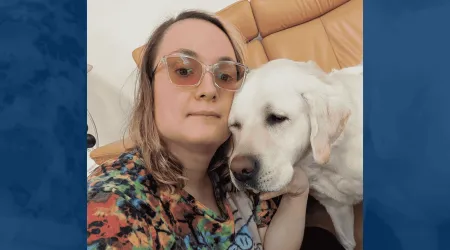
Jenny Trefzger: "My missed expiration date"
Jenny Trefzger was 23 when gender-affirming care found her colon cancer. Nine years later, she wants readers to know that you don't have to be extraordinary to beat cancer.

Alliance Names Kate Watt Chief Development Officer
Watt’s extensive experience in building fundraising strategies and teams will help advance the Alliance's mission to end the disease.

He almost skipped the colonoscopy that saved his life
Andy said his lifestyle made it easier to ignore the blood in the stool, a symptom of colorectal cancer. But the “mirage of invincibility,” as he called it, was about to vanish.