
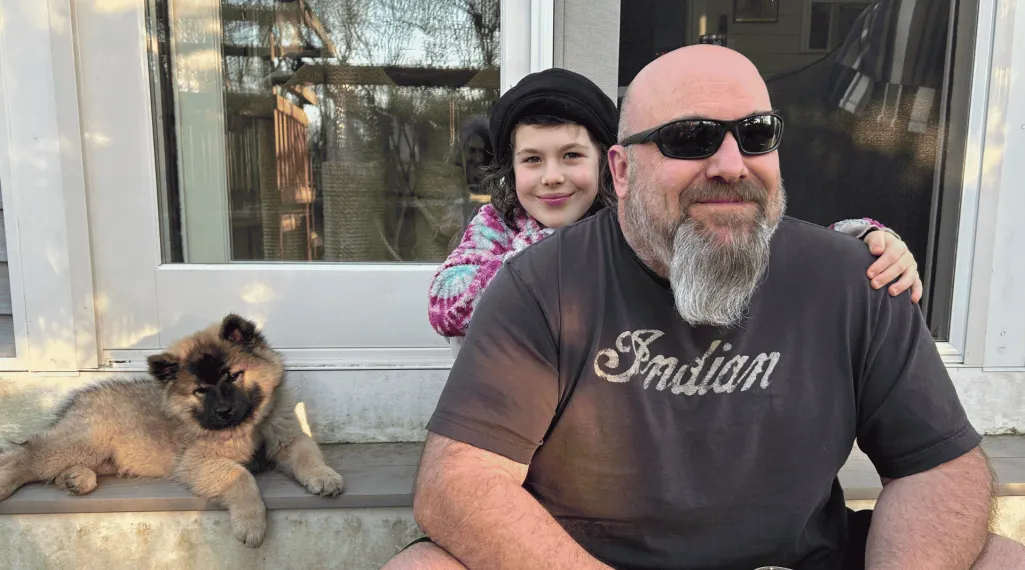
From diagnosis to hope: How a clinical trial is making a difference for Kevin
When Kevin was 54, he had his second colonoscopy. The doctors thought they may have seen something, but when he started coughing in the middle of his procedure, they ended it early. They asked him to come back in a year, but due to it being 2020, it wound up being longer. He didn't have a history of colorectal cancer or any symptoms, so he felt fine putting it off.
During Kevin's next colonoscopy, doctors found a tumor. His wife, Liz, remembers feeling like the world had stopped right then. She felt lost and didn't know where to turn. Even as she and Kevin received new information from test results and doctors, it was difficult to know how severe things were or how to feel about the diagnosis, especially while juggling life with two kids who were 6 and 8 at the time.
Liz started looking for resources and found the Alliance. It was great to have a one-stop place to learn the basics about colorectal cancer, clinical trials and genetic testing, and to learn more about potential treatments, including chemo and its side effects. It felt like a lifeline for their family to have a place to find dependable, reliable information while they waited for Kevin's treatment to begin.
"Clinical trials really offer an extra layer of peace of mind that we wouldn't necessarily have had otherwise."
Two months after his diagnosis, Kevin had a partial colectomy. Postsurgical testing revealed that the cancer had spread to a lymph node, leading to a stage IIIB diagnosis. Kevin went on to have several rounds of chemo and was able to participate in a clinical trial at Dana-Farber that involved a custom blood test based on the DNA of his specific tumor to detect any circulating cancer in his bloodstream. This allows Kevin's doctors to monitor for any potential spread or recurrence of his cancer less invasively.
It has now been 2½ years since Kevin finished chemo. He had a clean colonoscopy one year post-surgery, and while he continues with routine monitoring, there have been no issues or signs of recurrence since.
Top resources
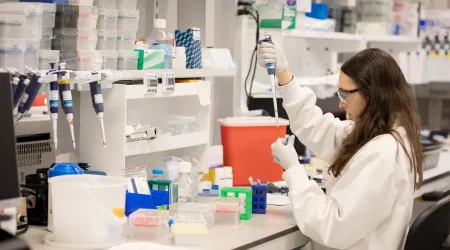
FDA approves immunotherapy for MSI-H/dMMR stage II & III rectal cancer
The U.S. Food and Drug Administration approved dostarlimab (brand name Jemperli) as the first and only immunotherapy for adults with stage II or III rectal cancer that has a biomarker called MSI-H or dMMR.
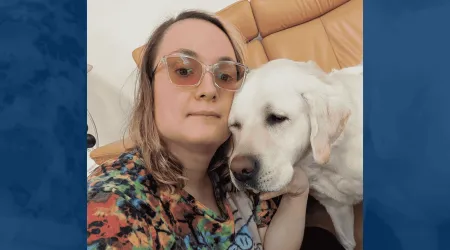
Jenny Trefzger: "My missed expiration date"
Jenny Trefzger was 23 when gender-affirming care found her colon cancer. Nine years later, she wants readers to know that you don't have to be extraordinary to beat cancer.
FDA approves Tecentriq for some people with stage III colon cancer
The FDA has approved Tecentriq (atezolizumab), given with chemotherapy after surgery, for people with stage III colon cancer whose tumors are mismatch repair deficient (dMMR). It’s the first immunotherapy approved for this use.