
Local action from our State Allies
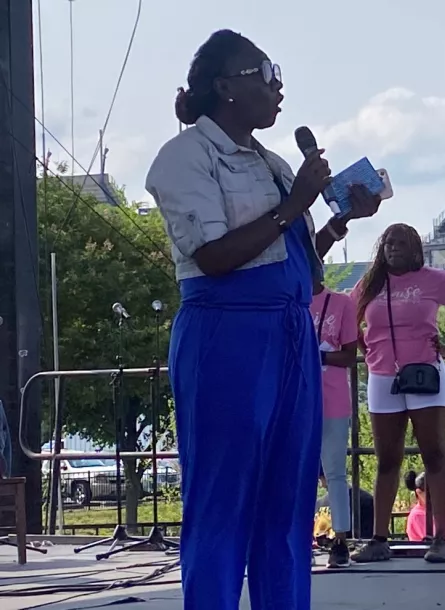
You can take action in your community. Join our State Allies to support those affected by colorectal cancer and bring awareness to the disease.
Our boots on the ground
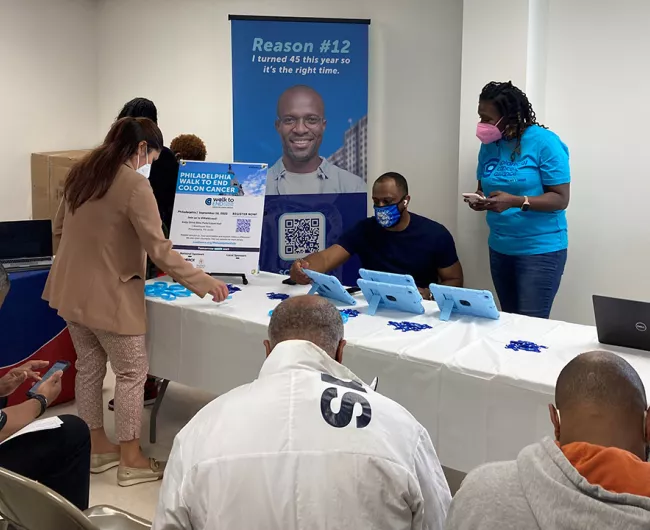
State Allies work with the Alliance to raise awareness, change the way society sees this devastating disease, and bring us closer to ending colorectal cancer within our lifetime.
Arizona Allies
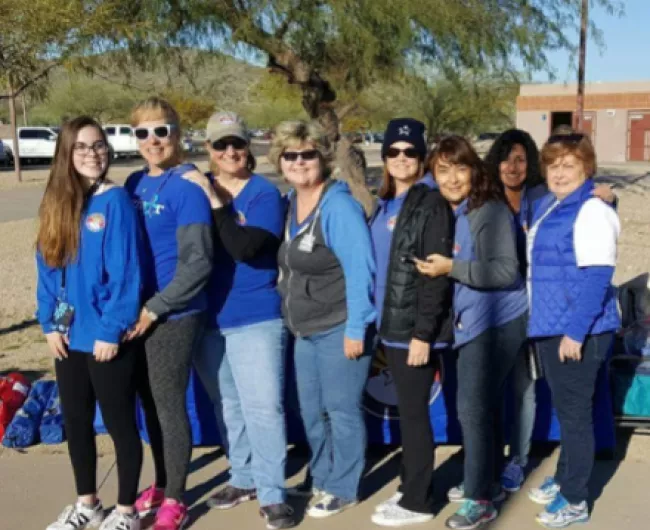
Arizona Allies empower and educate patients, survivors, caregivers, and advocates to reduce colorectal cancer's impact through increased screening, prevention, and early detection efforts.
Rhode Island Allies
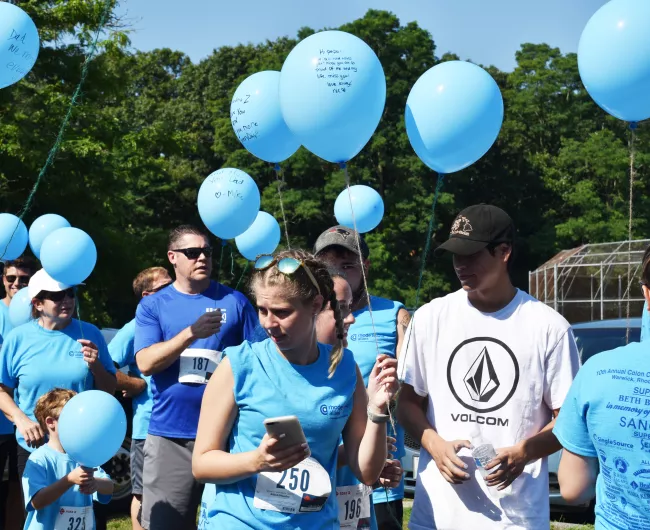
The Alliance’s Rhode Island Allies support patients and caregivers battling colorectal cancer and provide educational information to raise colorectal cancer awareness throughout Rhode Island.
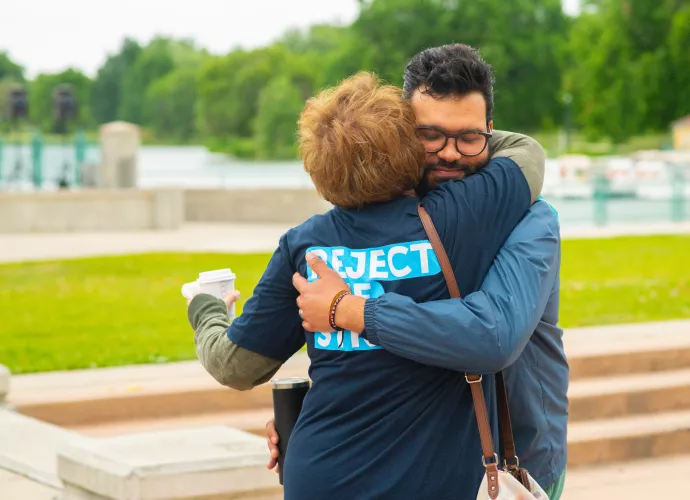
Your local community
Do you have questions about our local programs? Are you interested in starting one in your local community? Reach out to us to connect.
Top resources
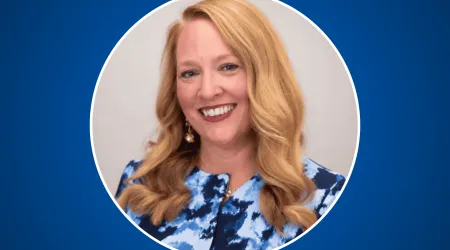
Alliance Names Kate Watt Chief Development Officer
Watt’s extensive experience in building fundraising strategies and teams will help advance the Alliance's mission to end the disease.
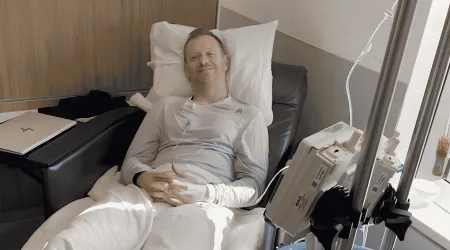
He almost skipped the colonoscopy that saved his life
Andy said his lifestyle made it easier to ignore the blood in the stool, a symptom of colorectal cancer. But the “mirage of invincibility,” as he called it, was about to vanish.

Bottoms Up® Invitational Raises $5.7 Million in Five Years To Foster a Future Free From CRC
The fifth annual Bottoms Up® Invitational, organized by Today Show anchor Craig Melvin and CBS Sports HQ host Lindsay Czarniak, gathered a passionate crowd of celebrities, musicians, athletes and supporters to raise awareness and funds in the battle against colorectal cancer.