
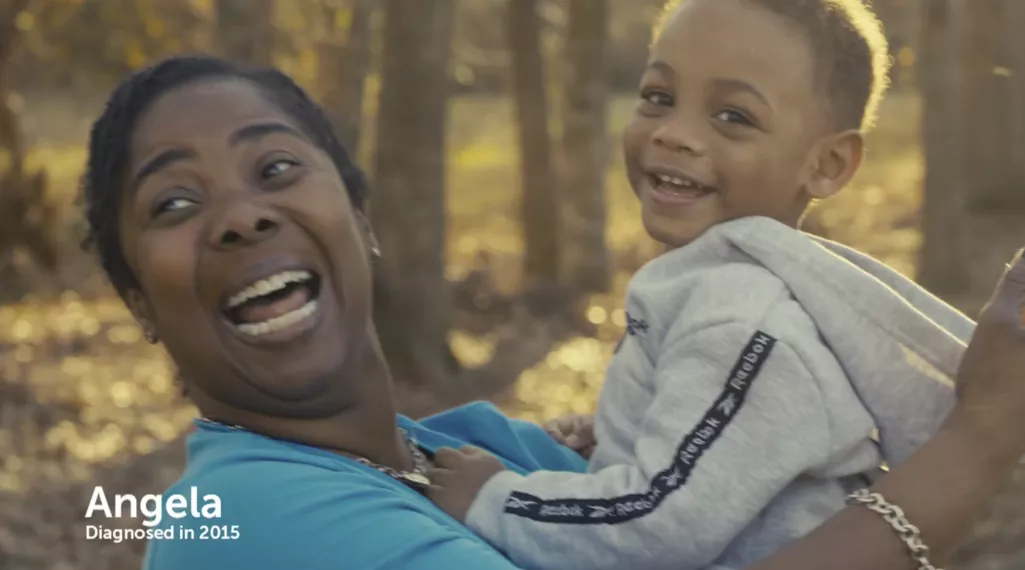
Alliance Launches PSA to Promote Resources & Prevention
The Colorectal Cancer Alliance (Alliance), the nation’s largest nonprofit organization dedicated to ending colorectal cancer (CRC), has launched the Things You Hear, a new public service announcement (PSA). The innovative television and radio spots, in partnership with Boom Broadcast, aim to educate the public not only about the importance of colorectal cancer (colon and rectal) screening and prevention, but also about the many ways in which the Alliance provides support to those affected by the deadly disease.
“The Things You Hear PSA emphasizes what patients really need to hear when diagnosed with colorectal cancer - that the Alliance can help them navigate this disease,” said Angie Lawry, CMCO of the Colorectal Cancer Alliance. “We want patients to know they can turn to the Alliance for resources and support from leading experts and allies who have walked in their shoes.”
Colorectal cancer is the second leading cause of cancer-related deaths for men and women combined, and cases are rising in younger adults. It is the deadliest cancer among men under 50 and the second deadliest among women under 50, with experts predicting it will be the leading cause of cancer death in men and women ages 20-49 by 2030. Despite the screening age being lowered from 50 to 45 in 2021, only 20% of 45-49 year-olds are getting screened. The new PSA aims to accelerate the Alliance’s lifesaving work by increasing awareness of preventative screening, as well as support services available for patients, caregivers and loved ones.
“Colorectal cancer is less known and less funded than other cancers, even though it is more deadly,“ said Michael Sapienza, CEO of the Colorectal Cancer Alliance. “The PSA is one of the many ways the Alliance is working to expand our reach and improve outcomes to achieve our mission of ending this disease.”
Some of the help the Alliance provides include:
- Critical Resources – From a toll-free Helpline (877) 422-2030 to financial assistance, patients and caregivers can find solace and support through free professional assistance via certified patient and family support navigators, peer support groups, and more.
- Health Equity Fund – The Alliance is committed to addressing disparities in healthcare and providing free, lifesaving screening and care resources to communities most affected by the disease.
- BlueHQ – A free, online support hub offering personalized tools and resources, BlueHQ empowers patients and caregivers to navigate diagnosis and treatment for better outcomes.
Visit colorectalcancer.org to learn more about the Alliance’s initiatives and impact.
About the Colorectal Cancer Alliance
The Colorectal Cancer Alliance empowers a nation of passionate and determined allies to prevent, treat, and overcome colorectal cancer in their lives and communities. Founded in 1999 and headquartered in Washington, D.C., the Alliance advocates for prevention, magnifies support, and accelerates research. We are the largest national nonprofit dedicated to colorectal cancer, and we exist to end this disease in our lifetime. For more information, visit colorectalcancer.org.
Media Contact:
Emily Blasi
Colorectal Cancer Alliance
+1 202-971-9964
eblasi@ccalliance.org
Top resources

Alliance Names Kate Watt Chief Development Officer
Watt’s extensive experience in building fundraising strategies and teams will help advance the Alliance's mission to end the disease.

FDA Clears Way for Colorectal Cancer Clinical Trial Led by Dr. Christopher Lieu
The U.S. Food and Drug Administration has given researchers at the University of Colorado Anschutz Medical Campus permission to begin a clinical trial of CAR T-cell therapy for people with advanced colorectal cancer who have already tried the standard treatments without lasting success.

Alliance Appoints New Members to Board of Directors
Each of the four appointees to the Alliance's Board brings unique professional expertise and a personal commitment to the organization's mission to end colorectal cancer in our lifetime.