
National Cancer Prevention Month: Majority View Encouraging Screening as an Act of Love
Once considered a taboo topic, colorectal cancer screening is entering the mainstream. A new national survey finds most Americans are now willing to talk openly about screening and many see encouraging loved ones to get screened as an act of love.
According to the Alliance State of Screening Study, commissioned by the Colorectal Cancer Alliance and conducted by Wakefield Research, 84% of U.S. adults say they would share details about their colorectal cancer screening if it encouraged a friend or family member to get screened. The shift comes at a critical time: Colorectal cancer is now the leading cause of cancer-related death among adults under 50, despite being one of the most preventable cancers. Timely screening can save lives, yet misconceptions and barriers to screening persist.
The Colorectal Cancer Alliance, the nation’s leading nonprofit dedicated to ending the disease, is urging Americans to talk openly with loved ones and take charge of their health during February, National Cancer Prevention Month.
Encouragement Seen as an Act of Love
The survey highlights the emotional power behind screening conversations.
- Nearly nine in 10 adults (88%) say encouraging a loved one to get screened is an “act of love.”
- About one-third of respondents (32%) say it is more romantic than taking a partner out for dinner and a movie.
“Talking openly about colorectal cancer isn’t intrusive - it’s an expression of care,” said Michael Sapienza, CEO of the Colorectal Cancer Alliance. “One conversation could help save a loved one’s life.”
Openness Is Growing, but Barriers Remain
While Americans are willing to talk about screening, obstacles still prevent many from getting screened. Sixty percent of adults know that any screening is better than none, yet more than half (54%) say they would be more likely to get screened if the preparation process were easier.
There are multiple screening options, including at-home tests that require no prep, depending on a person’s age, risk factors and preferences. While colonoscopy is the gold standard because it can detect and remove precancerous polyps, at-home options like Cologuard, which detects 92% of colorectal cancers, and a fecal immunochemical test (FIT), which detects 79% of colorectal cancers, are also available.
A Call to Action for February
Encouragingly, 84% of adults who have not already been screened say they plan to get screened within the next year or when they reach the recommended screening age of 45.
During National Cancer Prevention Month, the Colorectal Cancer Alliance encourages all Americans to:
- Learn about the full range of screening options and talk openly with loved ones about screening.
- Advocate for yourself, especially if symptoms are dismissed.
- Get screened beginning at age 45, or earlier for those at increased risk.
- Learn more about risk factors and symptoms and receive a free, personalized screening recommendation at getscreened.org.
About the Colorectal Cancer Alliance
The Colorectal Cancer Alliance empowers a nation of passionate and determined allies to prevent, treat, and overcome colorectal cancer in their lives and communities. Founded in 1999 and headquartered in Washington, D.C., the Alliance advocates for prevention through initiatives like LEAD FROM BEHIND, magnifies support with BlueHQ, and accelerates research through Project Cure CRC. We are the largest national nonprofit dedicated to colorectal cancer, and we exist to end this disease in our lifetime. For more information, visit colorectalcancer.org.
About the Survey
The Colorectal Cancer Alliance Survey was conducted by Wakefield Research among 1,000 nationally representative U.S. adults ages 18+, between November 24th and December 1st, 2025, using an email invitation and an online survey. The data has been weighted.
Media Contact:
Emily Blasi
eblasi@ccalliance.org
(202) 971-9964
Top resources
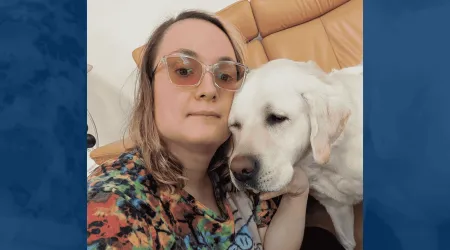
Jenny Trefzger: "My missed expiration date"
Jenny Trefzger was 23 when gender-affirming care found her colon cancer. Nine years later, she wants readers to know that you don't have to be extraordinary to beat cancer.
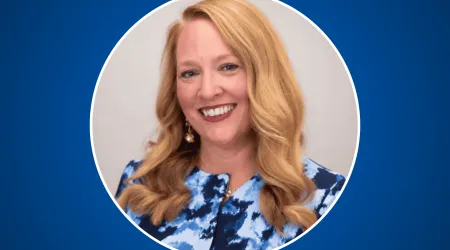
Alliance Names Kate Watt Chief Development Officer
Watt’s extensive experience in building fundraising strategies and teams will help advance the Alliance's mission to end the disease.
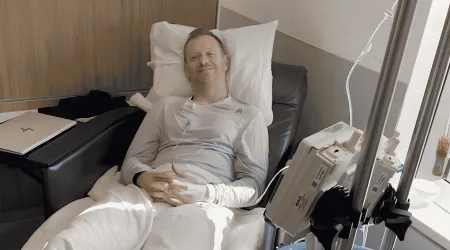
He almost skipped the colonoscopy that saved his life
Andy said his lifestyle made it easier to ignore the blood in the stool, a symptom of colorectal cancer. But the “mirage of invincibility,” as he called it, was about to vanish.