2X Match My Gift
This National Cancer Survivors Month, your gift is matched to expand treatment options and bring more patients into survivorship through Project Cure CRC.
Colorectal cancer rates are rising among younger adults, which is why current guidelines recommend starting screening at age 45 for average risk individuals. Early detection is key—screening can prevent colorectal cancer.
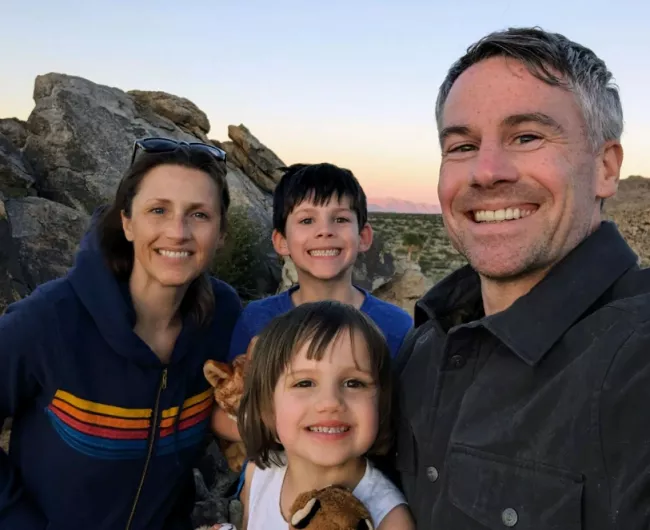
Colorectal cancer continues to affect more young people. The United States Preventive Services Task Force (USPSTF) recommends that all people at average risk begin colon and rectal cancer screening at age 45. People at higher risk may need to be screened earlier. Ask your doctor about screening, as your ethnicity, lifestyle, and family history will impact when you should get checked.
Colorectal cancer has become a reality for many people younger than age 50, and it’s the only population with a rising incidence rate.
In the U.S., more than 10% of colorectal cancer cases are diagnosed in individuals under age 50.
Young-onset rectal cancer incidence has increased at nearly two times the rate of young-onset colon cancer.
Colorectal cancer is the deadliest cancer in people under 50.
There are several options to screen for colorectal cancer. The type of screening test that is right for you depends on your age, personal health history, and family history.
Beginning at age 45 (if you are at average risk), you should have either:
OR
Not sure which screening test is right for you? Your healthcare provider can help you choose the method that is right for you.

A person is considered at average risk of developing colorectal cancer if they have:
If you do have any of these risk factors, you may need to start screening before 45. Speak with your healthcare provider about your screening plan.
Although a colonoscopy is a very safe and simple test, some people are hesitant about this screening method. Some of the reasons include anxiety about the prep, reluctance to fast the day before the procedure, and fear of sedation or anesthesia. Our resource guide below can help you find real answers to the questions you may have about having a colonoscopy.
Taking away the mystery can help alleviate fears.
If you’re afraid of complications, this will ease your mind.
Some people are nervous about being “put to sleep” for a procedure.
This step by step guide can help you and your driver plan your day.
Hear about the process from someone who’s been there.
We’ve gone to the pros to find the best tips for your prep.

The current colon cancer screening age is 45 for those at average risk.
What does that mean for people who are at higher risk? And what exactly does "higher risk" mean?
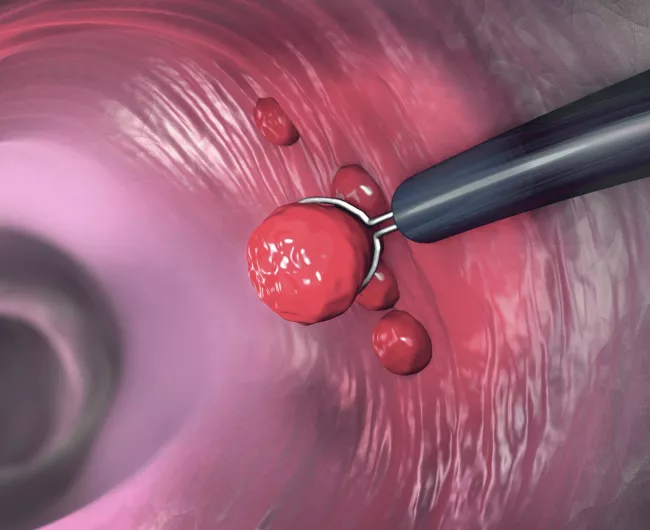
Colorectal cancer screening often focuses on detecting polyps. Follow these links for a quick study on these growths.

While lowering the colorectal cancer screening age from 50 to 45 was a significant change, continued support for research and advocacy is crucial.
Here are 45 reasons to schedule your screening today





The Colorectal Cancer Alliance is urging Americans to prioritize colorectal cancer screening, as the American Cancer Society (ACS) released updated guidelines today.
Understanding colon cancer sidedness is one more tool to help patients ask the right questions and advocate for the most effective treatment plan.

Americans increasingly view colorectal cancer screening encouragement as an act of love, with new survey data showing rising openness about lifesaving prevention.