
Alliance Honors Survivors, Encourages Screening and Advocates for Research During National Cancer Survivors Month
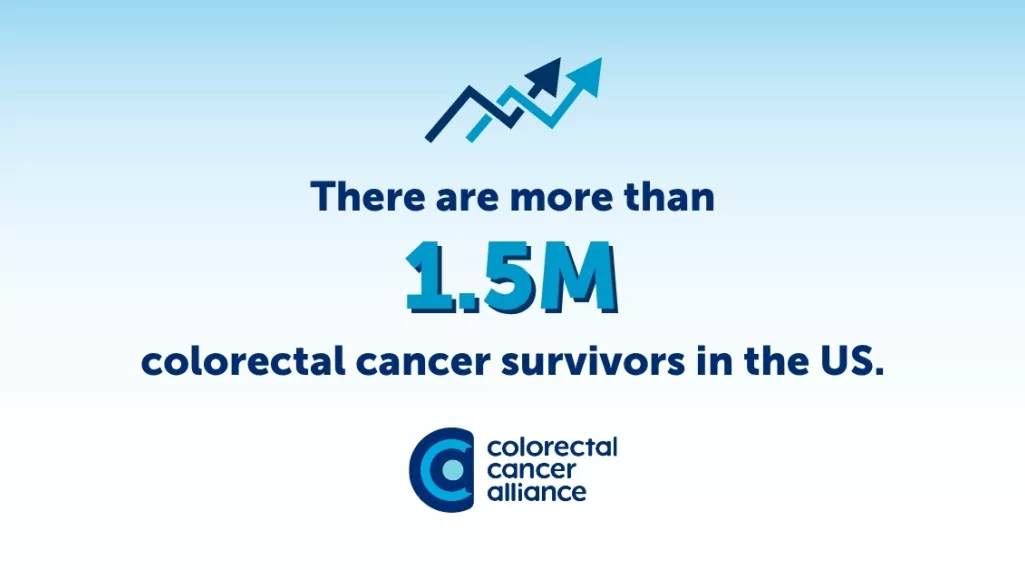
In recognition of National Cancer Survivors Month this June, the Colorectal Cancer Alliance (Alliance) is shining a light on the more than 1.5 million colorectal cancer survivors in the United States, celebrating their strength while calling attention to increasing rates of colorectal cancer and the urgent need for more screening and research to end the disease.
New data from the Alliance’s 2025 State of Screening Study reveals that a majority of Americans prioritize household chores over colorectal cancer screening, putting their lives at risk. The survey also shows that many Americans are unaware that the disease could be prevented through screening. Colorectal cancer is the second leading cause of cancer-related deaths in the U.S., yet when detected early, the five-year survival rate exceeds 90%. The Alliance’s State of Screening Study underscores the life-saving potential of increased awareness and access to screening, especially as cases continue to rise in younger adults.
Among key findings from the 2025 Colorectal Cancer State of Screening Study:
- More than half of U.S. adults (51%) put everyday tasks like laundry and childcare ahead of getting screened for colorectal cancer.
- Shockingly, 69% said they’d rather file their taxes than get a colonoscopy.
- While many know colonoscopies can detect cancer, 57% don’t realize that these screenings can prevent colorectal cancer by removing precancerous growths.
- If people knew screening could prevent colorectal cancer, 98% said they'd be more likely to get screened.
“Screening saves lives—it's that simple,” said Michael Sapienza, CEO of the Colorectal Cancer Alliance. “This June, we're asking people to honor survivors by taking action: get screened, talk to your loved ones, and help others do the same.”
The Alliance encourages the public to participate this June by:
- Spreading colorectal cancer and screening awareness to reduce the stigma surrounding the disease.
- Scheduling timely screenings and educating loved ones on the signs and symptoms of colorectal cancer.
- Supporting initiatives that fund innovative cancer research to promote survivorship, like Project Cure CRC.
Research is critical to progress in the battle against colorectal cancer. Through Project Cure CRC, the Alliance is committed to funding cutting-edge research and amplifying BlueHQ, its dynamic patient portal, with enhanced data collection and clinical trial protocols to improve survivorship.
To learn more about screening visit getscreened.org, and to learn more or support Project Cure CRC visit colorectalcancer.org/cure.
About the Colorectal Cancer Alliance
The Colorectal Cancer Alliance empowers a nation of passionate and determined allies to prevent, treat, and overcome colorectal cancer in their lives and communities. Founded in 1999 and headquartered in Washington, D.C., the Alliance advocates for prevention through initiatives like LEAD FROM BEHIND, magnifies support with BlueHQ, and accelerates research through Project Cure CRC. We are the largest national nonprofit dedicated to colorectal cancer, and we exist to end this disease in our lifetime. For more information, visit colorectalcancer.org.
Media Contact:
Emily Blasi
eblasi@ccalliance.org
(202) 971-9964
Top resources
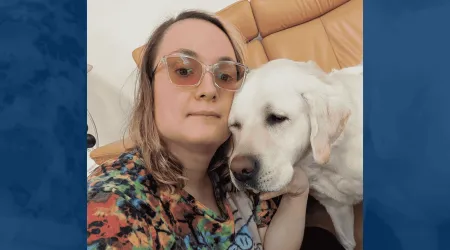
Jenny Trefzger: "My missed expiration date"
Jenny Trefzger was 23 when gender-affirming care found her colon cancer. Nine years later, she wants readers to know that you don't have to be extraordinary to beat cancer.

Alliance Names Kate Watt Chief Development Officer
Watt’s extensive experience in building fundraising strategies and teams will help advance the Alliance's mission to end the disease.

FDA Clears Way for Colorectal Cancer Clinical Trial Led by Dr. Christopher Lieu
The U.S. Food and Drug Administration has given researchers at the University of Colorado Anschutz Medical Campus permission to begin a clinical trial of CAR T-cell therapy for people with advanced colorectal cancer who have already tried the standard treatments without lasting success.