Be Heard: Young-Onset Colorectal Cancer Survivors, Patients and Caregivers Asked to Participate in Third Annual Survey
The Colorectal Cancer Alliance has opened its third annual survey of young-onset colorectal cancer patients, survivors, and caregivers, with the intent of learning about and tracking the medical and psycho-social experiences of this often overlooked group, which comprises 11 percent of colorectal cancer patients today.
This year’s survey is expanded to better learn about the experience of caregivers, with a selection of questions specifically for them. The Alliance asks that just one caregiver per patient fill out the survey.
Previous surveys revealed shocking trends in the experience of young-onset colorectal cancer survivors, including that 82 percent of respondents said they were initially misdiagnosed, 79 percent suffered from anxiety and/or depression, and 45 percent cared for a child under 10 at diagnosis.
“The young-onset community is growing, sadly, and we must know as much about their journey as possible, so we can respond to their needs,” said Kim Newcomer, manager of the Alliance’s Never Too Young program. “That 82% percent of young-onset patients said they were misdiagnosed shows, for example, a critical need to educate medical providers that their patients could be impacted by colorectal cancer, no matter their age. When I received my stage IV metastatic diagnosis, I was 35. I’ve seen this disease in people as young as 12.”
Colorectal cancer patients are considered young-onset if they are diagnosed before they turn 50 years old. Since 1994, cases of young-onset colorectal cancer have increased by 51 percent, according to the National Cancer Institute. Researchers aren’t sure why, but the Alliance is funding research to help uncover a cause. It will fund $10 million in colorectal cancer research by 2021, including $3 million specifically for young-onset research.
In addition, the Alliance founded the Never Too Young Advisory Board, which will address the needs and concerns of the young-onset community.
“The Alliance stands with the thousands of young-onset patients diagnosed every year, and this survey is a critical component to improving the medical outcomes for those affected by this senseless killer,” said Michael Sapienza, CEO of the Alliance. “I encourage all young-onset patients, survivors, and caregivers to participate in this survey and let their voices be heard—the world needs to hear you.”
The survey will remain open for four weeks. The brief survey, which is multiple choice, should take fewer than 10 minutes to complete.
About the Colorectal Cancer Alliance
The Colorectal Cancer Alliance is a national nonprofit committed to ending colorectal cancer. Working with our nation of passionate allies, we diligently support the needs of patients and families, caregivers, and survivors; eagerly raise awareness of preventative screening; and continually strive to fund critical research. As allies in the struggle, we are fiercely determined to end colorectal cancer within our lifetime. For more information, please visit colorectalcancer.org.
Top resources

Alliance Names Kate Watt Chief Development Officer
Watt’s extensive experience in building fundraising strategies and teams will help advance the Alliance's mission to end the disease.
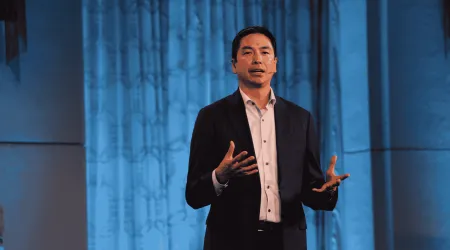
FDA Clears Way for Colorectal Cancer Clinical Trial Led by Dr. Christopher Lieu
The U.S. Food and Drug Administration has given researchers at the University of Colorado Anschutz Medical Campus permission to begin a clinical trial of CAR T-cell therapy for people with advanced colorectal cancer who have already tried the standard treatments without lasting success.

He almost skipped the colonoscopy that saved his life
Andy said his lifestyle made it easier to ignore the blood in the stool, a symptom of colorectal cancer. But the “mirage of invincibility,” as he called it, was about to vanish.