
Emotional wellbeing for family members and caregivers
It's important that you take care of your own emotional needs. As a caregiver, you need to be at your best to care for your loved one.

It comes in waves
Some days you're up, some days you're down. Your emotions can be all over the place when you're taking care of someone you love.
Tools for your emotional wellbeing
It's okay to feel unprepared
Most people are thrown into the role of caregiving for a loved one with cancer very quickly, with little to no preparation or training. Allow yourself to feel scared and frustrated.
Your feelings are normal
You may notice that your emotions often mirror those of your loved one’s, and on other days they're the exact opposite. There's no "right way" to feel – it's all normal.
Practice self-care
Participate in activities that make you feel good such as exercise, talking about your feelings with a trusted friend, or engaging in a favorite craft or hobby.
Loss and grief
Cancer is a master at creating symbolic loss in people’s lives – loss of dreams, roles, abilities, etc. Allow yourself to feel upset about what it has taken from you or your loved one. Seek out peer or professional support when the grief is overwhelming.
Lean on others
There may be times of intense stress and emotions, such as initial diagnosis, recurrence, end of treatment, and end of life. Expect that you will need a little more support during these times.
Manage your uncertainty
It’s common to dwell on the "worst case scenario" about things that are out of your control. Acknowledge when your worry is getting the best of you and find ways to distract yourself.
Role reversals
Sometimes caregivers take on roles that their loved one was responsible for before diagnosis. This may feel strange at first, but take time to adjust. Don't be afraid to ask for help from others when you need it.
More than a caregiver
A caregiver may feel like they're a nurse, parent, or a maid. It’s normal to miss just being the spouse or child. Find time to carve out quality time that reminds you of all that you are.

Seeking professional help
Be alert for any of the following:
- Hopelessness
- Inability to control emotions
- Sadness that keeps you from functioning
- Loss of interest in activities you enjoy
These may be signs that you need to seek professional help. Talk to your doctor about finding a provider.
Related reading
Caregivers' physical wellbeingTop resources
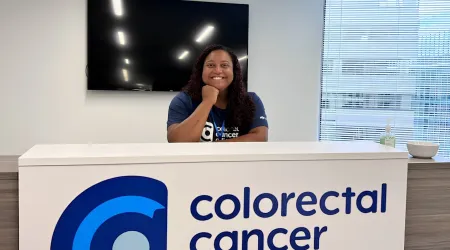
Why I answer the phone: A cancer care navigator's view
Meet Paige Edmonds, a social worker behind the Alliance's helpline — and the personal loss that led her there.

Alliance Breaks Down New ACS Screening Guidelines
The Colorectal Cancer Alliance is urging Americans to prioritize colorectal cancer screening, as the American Cancer Society (ACS) released updated guidelines today.

A blood test that sees what scans can't
For many cancer patients, the end of active treatment brings a new kind of dread. Scans every few months and anxious waits for results. A blood test is changing that experience for a growing number of patients.