2X Match My Gift
This National Cancer Survivors Month, your gift is matched to expand treatment options and bring more patients into survivorship through Project Cure CRC.

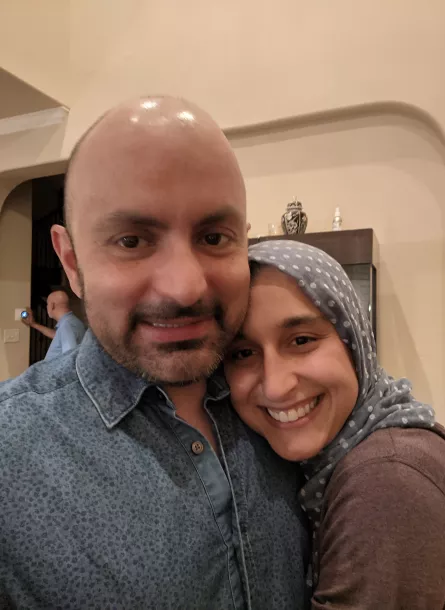
Caring for yourself is one of the most important things you can do as a caregiver. Unfortunately, it is often neglected.

Caregivers play an important role in supporting their loved one at every stage of the colorectal cancer journey. But who supports the caregiver?
As a caregiver, your resources will be essential. We have gathered a collection that will help.
Acting as someone's caregiver make you feel like a nurse, parent, or maid. It’s normal to have strong emotions about your new role.
As the needs and symptoms of the cancer patient fluctuate, so do the needs and well-being of the caregiver.
Caregivers field a lot of information and it can become overwhelming. Learn how you can stay on top of things.
It’s important to know what to ask at doctor's visit, especially as a caregiver. Don't forget to bring a notebook and pen.
Caregivers communicate across many channels from the patient to the doctors to insurance companies.
Many caregivers take time off from work to take care of loved ones, which can create a financial strain.
Caregiving is often a long-term challenge and the emotional impact can mount over time. It's important to recognize the signs of burnout.
When a loved one dies, the loss as a caregiver may be mixed with guilt, relief, and uncertainty over the future.
Sometimes you just need to talk to someone. We are here for you at all times –just give us a call on our Toll Free Helpline (877) 422-2030.
Wearing the badge of ‘caregiver’ presents unique challenges. The greatest one may be learning how to take care of yourself.

For many cancer patients, the end of active treatment brings a new kind of dread. Scans every few months and anxious waits for results. A blood test is changing that experience for a growing number of patients.
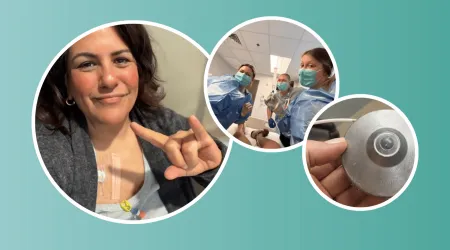
When Helen was diagnosed with metastatic colorectal cancer, the biggest concern for her medical team was that her cancer had spread to her liver. One type of therapy, hepatic artery infusion, offered a path forward, but there was a catch. Nobody at her hospital had ever done it before. She'd have to be first.

hrough Project Cure CRC, the Alliance is fueling bold, early-stage research with the potential to transform colorectal cancer treatment. Dr. Lisa Mielke’s groundbreaking work explores how the gut’s immune system and nerve signaling influence cancer growth—opening the door to new therapeutic approaches, including repurposed existing drugs. This is what’s possible when promising ideas get the support they need to move forward.